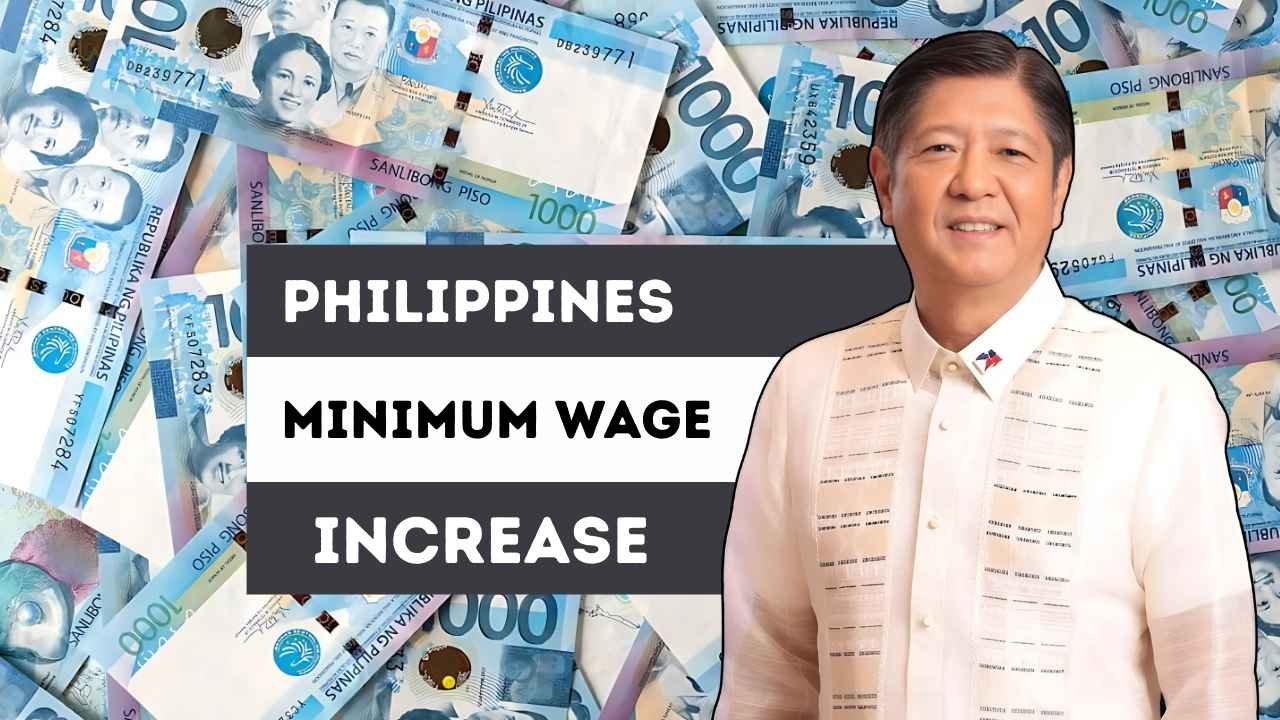
The minimum wage in the Philippines changes depending on the region. This is because living costs and local economies differ from one area to another. By setting wages based on regions, the government tries to make sure workers are paid fairly according to the real cost of living where they live.
Unlike some countries, the Philippines does not have one national minimum wage. Instead, the Regional Tripartite Wages and Productivity Boards (RTWPBs) review each region’s economy and decide the minimum wage for that area. These wage boards update the rates regularly so workers can keep up with rising prices.
In 2026, many regions have already announced wage increases. These updates are meant to help workers cope with higher costs for food, transportation, and housing. If you are a worker or you support a family member who earns minimum wage, it is important to understand how these changes affect your monthly income.
What Is Minimum Wage in the Philippines?
Minimum wage is the lowest amount that employers are legally required to pay their workers. In the Philippines, this amount can be calculated per day or per hour, depending on the job and work arrangement.
Because the cost of living varies across regions, the minimum wage is not the same everywhere. The regional wage boards consider factors like inflation, economic growth, and business capacity before setting the new rates.
The goal is to ensure workers earn enough to cover basic needs while keeping the local economy stable.
How Minimum Wages Are Decided
The process of setting minimum wage rates involves several government bodies. The RTWPBs are responsible for reviewing and approving wage increases in their regions. These boards include representatives from the government, workers, and employers.
The National Wages and Productivity Commission monitors the decisions and helps guide the process. The Department of Labor and Employment also supports the implementation and enforcement of wage policies.

When a wage board approves a new rate, it becomes legally binding on the date specified in the wage order. Employers must follow this new rate, and workers should receive the updated pay starting from that date.
Why Regional Wages Are Used
Regional wage differences are used because the Philippines has diverse economic conditions. For example, the cost of living in Metro Manila is much higher than in rural provinces. If the same minimum wage was applied across the country, it would be unfair to workers in expensive areas and too difficult for employers in poorer regions.
Regional wage boards help balance this by setting rates that match each area’s financial realities. This system also helps small businesses and local industries stay competitive while still paying fair wages.
Minimum Wage Updates in 2026
In 2026, many regions have announced new wage rates. Some areas have already implemented increases, while others have planned changes that will take effect later in the year.
The new wage rates vary by region, and some increases are applied in stages to avoid sudden financial pressure on businesses. For example, certain regions may raise wages twice within the year so employers can adjust gradually.
These wage adjustments aim to improve workers’ incomes while giving companies time to adapt.
How Wage Increases Affect Workers
Minimum wage increases can help workers meet their daily needs more easily. Even a small raise can make a difference for families who rely on minimum wage income.
For many workers, higher wages mean better access to food, school supplies, transportation, and medical care. It also reduces the need to work long hours or take extra jobs just to survive.

However, wage increases also bring challenges. Some employers may struggle to pay higher salaries, especially small businesses with limited budgets. That is why some regions choose phased wage increases, so businesses can prepare and adjust gradually.
How Technology Helps Monitor Wages
Technology is becoming more important in monitoring wage compliance. New online platforms and mobile apps allow workers to check their pay, report wage violations, and access official government updates.
These tools help reduce fraud and make it easier for labor offices to track wage enforcement. With better technology, the government and worker groups can ensure that wage increases reach the people who need them most.
Where to Check Official Updates
The Department of Labor and Employment is the main government agency responsible for minimum wage updates. Official announcements and wage orders are posted on the DOLE website and through local labor offices.
If you want to confirm the latest wage rates for your region, always check the official DOLE updates or the regional wage board announcements. Avoid relying on social media posts or unofficial sources, as they may be inaccurate or outdated.