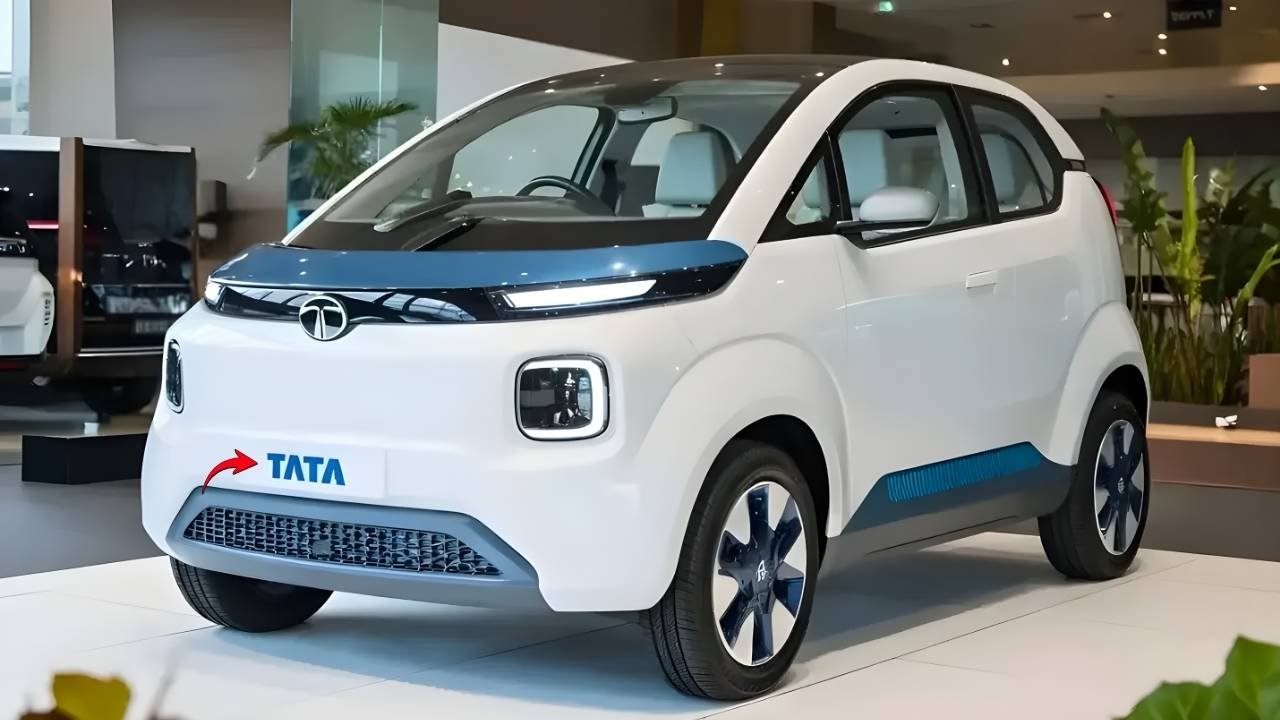
The Tata Nano has returned to the spotlight, but this time with an electric heart. The Tata Nano 2026 EV marks a significant step in India’s journey toward affordable and sustainable transportation. Known once as the people’s car, the Nano now re-emerges as one of the most budget-friendly electric vehicles in the country. With a starting price of ₹2.19 lakh and a claimed driving range of up to 250 km, Tata Motors aims to make electric mobility accessible to everyday Indian buyers.
India’s Cheapest Electric Car Yet
Affordability is the biggest highlight of the Tata Nano 2026 EV. With pricing starting at just ₹2.19 lakh, it undercuts every electric car currently available in the Indian market. This aggressive pricing opens the door for middle-class families, students, and first-time buyers who previously viewed EVs as too expensive. Tata Motors has positioned the Nano EV as a practical alternative to entry-level petrol cars, without the burden of rising fuel costs.
Designed for Urban Life
The compact dimensions of the Nano have always made it ideal for city use, and the electric version continues this legacy. The Tata Nano 2026 EV is easy to maneuver through traffic-heavy streets and fits comfortably into tight parking spaces. Despite its small exterior, the interior layout is intelligently designed to seat four passengers with reasonable comfort, making it suitable for daily urban travel.
250 Km Range for Everyday Driving
One of the standout features of the Tata Nano 2026 EV is its claimed 250 km range on a single charge. This range is more than sufficient for daily commutes, office travel, and short intercity runs. For most city drivers, charging once every few days would be enough, significantly reducing range anxiety. The balance between battery size and efficiency makes the Nano EV practical without pushing costs higher.

Practical Features for Daily Use
Tata Motors has equipped the Nano 2026 EV with essential features that suit its target audience. Buyers can expect a touchscreen infotainment system, smartphone connectivity, power windows, and necessary safety equipment such as airbags and ABS. The cabin design has been refreshed to feel more contemporary, ensuring that the Nano EV does not feel outdated despite its low price point.
Convenient Charging Setup
Charging the Tata Nano 2026 EV is designed to be simple and user-friendly. Home charging support allows owners to plug in overnight, while compatibility with public charging stations adds flexibility for longer journeys. Although fast charging times may vary, the Nano EV focuses on convenience and ease of ownership rather than complex charging requirements.
Lower Ownership and Maintenance Costs
Running costs are where the Nano EV truly shines. Electric charging costs are significantly lower than petrol or diesel expenses, making daily driving much cheaper. Maintenance is also minimal due to the absence of a traditional engine and fewer mechanical components. Over time, this translates into substantial savings, especially for urban users with regular commutes.
Blending Legacy with Sustainability
The Tata Nano has always symbolized accessible mobility in India. The 2026 EV version modernizes that philosophy by integrating electric technology. This combination of familiarity and innovation creates strong emotional appeal, especially among buyers who remember the original Nano. At the same time, it introduces a new generation to cleaner and greener transportation.

A Smart Entry Point into EV Ownership
For those buying their first car, the Tata Nano 2026 EV presents a compelling case. Its compact size, easy handling, low operating costs, and affordable price make it beginner-friendly. Combined with government incentives for electric vehicles, the Nano EV lowers the barrier to entry for EV adoption across the country.
Final Thoughts on Tata Nano 2026 EV
The Tata Nano 2026 EV represents a bold move by Tata Motors to democratize electric mobility in India. With its unmatched price, city-focused design, usable range, and practical features, it stands out as a realistic option for mass adoption. More than just a car, the Nano EV is a statement that electric vehicles can be affordable, practical, and accessible for millions of Indians.